
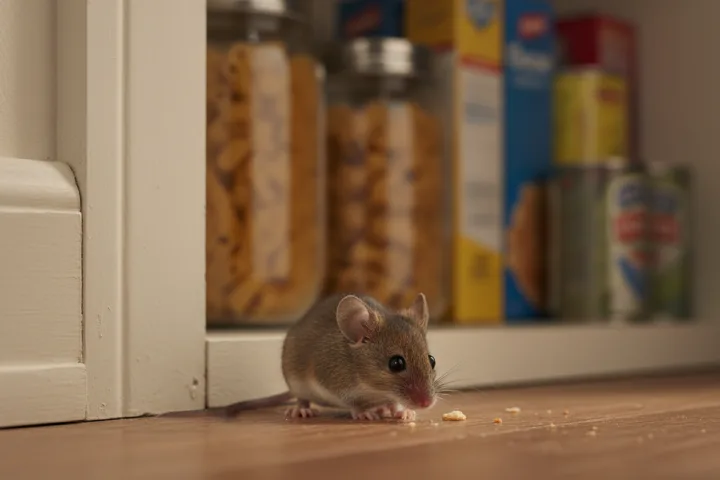
A mouse can get through a gap about the size of a dime. Once inside, a couple of mice can become a real problem within a few months.
Traps alone rarely finish the job
Trapping catches the mice you have. Exclusion, meaning sealing the gaps with materials they can’t chew, keeps the next ones out. If nobody’s talking about entry points, ask.
Cleaning up safely
Droppings can carry disease. Don’t sweep or vacuum them dry. The CDC recommends ventilating the area, wearing gloves, spraying with disinfectant and wiping up with paper towels.
Watch the wires
Rodents gnaw constantly, and that includes wiring. If you’ve got chewed cables in the attic or a breaker acting strange, mention it and have an electrician look at it.
Call now and we’ll check who can help near you. Think it might be something bigger? See rat control.
Related reading: hearing scratching in the walls at night?, rat control and how to pest-proof your home before winter.
Signs you may need mouse & rodent control
- Scratching or scurrying at night
- Small dark droppings in cabinets or drawers
- Chewed food packages
- Shredded paper or insulation used as nesting
What the visit usually covers
- Inspection for activity and entry points
- Trapping or tamper-resistant bait stations
- Sealing gaps, if offered
- Follow-up to confirm the activity has stopped